Authentic Cuban Mojo Beef Recipe – Flavorful & Easy
Cuban Mojo Beef Recipe is more than just a meal; it’s a vibrant culinary adventure that transports your taste buds straight to the heart of Havana. Have you ever craved that unmistakable, zesty, garlicky punch that defines authentic Cuban cuisine? That’s the magic of mojo, and when it’s infused into tender, slow-cooked beef, the result is pure, unadulterated bliss. We’re talking about a dish that’s celebrated for its incredible depth of flavor, the kind that makes family dinners feel like a fiesta and casual weeknights feel like a special occasion. What makes this Cuban Mojo Beef Recipe so special? It’s the harmonious blend of citrus, garlic, and aromatic spices that tenderizes the meat to absolute perfection, creating a flavor profile that is both bold and incredibly comforting. Get ready to discover your new favorite way to enjoy beef, drenched in a sauce that’s as addictive as it is delicious.
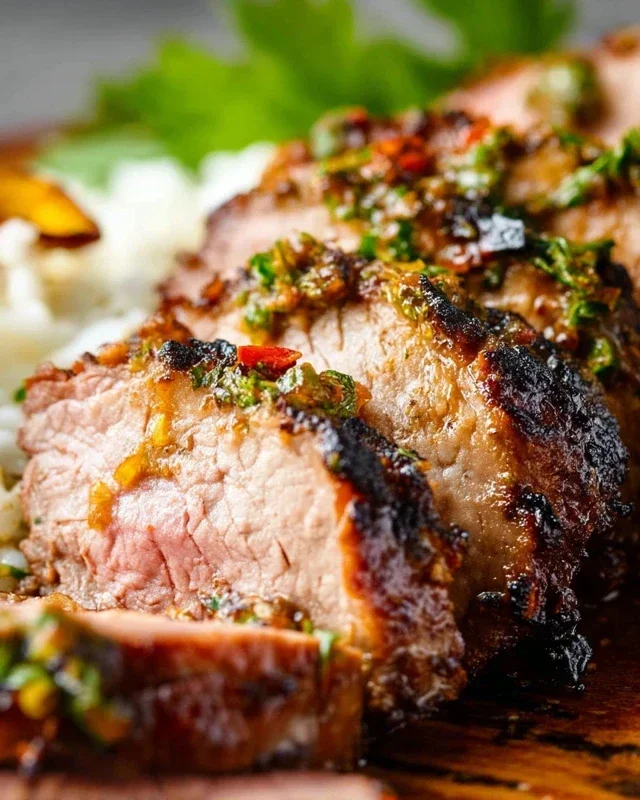
Cuban Mojo Beef Recipe
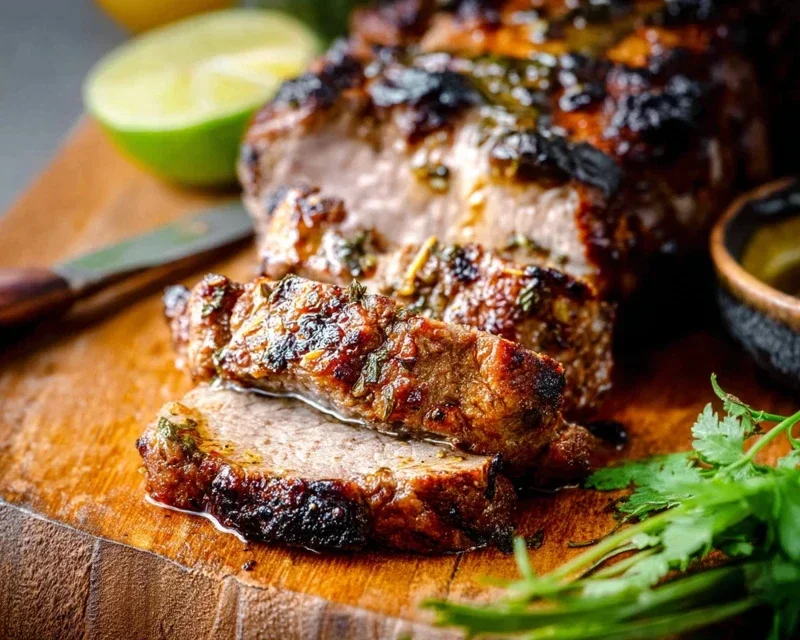
There’s something incredibly satisfying about a dish that transports you to another place with just one bite. For me, that’s Cuban Mojo Beef. This isn’t just a meal; it’s an experience. The vibrant, tangy mojo marinade, infused with citrus, garlic, and fresh herbs, works magic on a humble cut of beef, transforming it into something tender, juicy, and bursting with flavor. It’s perfect for a relaxed weekend dinner or for impressing guests without spending hours slaving over the stove.
The key to this recipe’s success lies in the potent mojo marinade. It’s a beautiful balance of acidic citrus, aromatic garlic, and fragrant herbs that tenderizes the beef and infuses it with an unforgettable taste. We’re talking about a flavor profile that’s both bright and earthy, a little zesty and deeply savory. It’s a classic for a reason, and once you try it, you’ll understand why.
Ingredients:
Instructions:
Prepare the Mojo Marinade:
First, let’s get our flavor base ready. In a large bowl or a sturdy zip-top bag, combine the extra-virgin extract olive oil, orange zest, fresh orange juice, and fresh lime juice. These citrus elements are crucial for both tenderizing the beef and providing that signature tangy brightness. Next, add the finely chopped cilantro and mint leaves. The fresh herbs are where a lot of the aromatic magic happens, so don’t skimp on them! Then, stir in the minced garlic. Using fresh garlic here makes a world of difference in flavor compared to pre-minced. Add the oregano (whether fresh or dried) and the ground cumin. The cumin adds a warm, earthy depth that complements the citrus beautifully. Finally, season generously with kosher salt and freshly ground black pepper. Whisk everything together until it’s well combined. This vibrant, fragrant mixture is your mojo!
Marinate the Beef:
Now for the star of the show: the beef shoulder. Pat the beef dry with paper towels. This helps the marinade adhere better. Place the beef shoulder into the bowl with the mojo marinade, or if you’re using a zip-top bag, pour the marinade over the beef. Make sure the beef is fully submerged and coated in the marinade. You can use your hands to really work the marinade into every nook and cranny. For the best results, cover the bowl tightly with plastic wrap or seal the zip-top bag, ensuring no air is trapped inside. Refrigerate the beef and let it marinate for at least 4 hours, but I highly recommend marinating it overnight, or even up to 24 hours. The longer it marinates, the more tender and flavorful your beef will become. The acidity in the citrus juices will start to break down the tough connective tissues in the beef, making it incredibly tender.
Sear the Beef:
Once your beef has had ample time to soak up all that delicious mojo, it’s time to sear it. Preheat your oven to 325 degrees Fahrenheit (160 degrees Celsius). Remove the beef from the marinade, letting any excess drip back into the bowl (you can save some of the marinade to baste later if you like). Heat a large, oven-safe skillet or a Dutch oven over medium-high heat. Add a tablespoon or two of neutral oil (like vegetable or canola) if your pan isn’t non-stick, though the olive oil from the marinade can sometimes suffice. Carefully place the marinated beef shoulder into the hot skillet. Sear the beef on all sides until a beautiful, golden-brown crust forms. This step is essential for locking in the juices and developing deep, savory flavors through the Maillard reaction. This usually takes about 3-4 minutes per side. Don’t overcrowd the pan; if your skillet isn’t large enough, sear the beef in batches.
Braise the Beef:
After searing, transfer the beef and the skillet (or Dutch oven) directly into the preheated oven. If you’re not using an oven-safe skillet, carefully transfer the seared beef to a baking dish. You can pour any remaining marinade from the bowl over the beef at this point, or even add about 1/2 cup of beef broth or water to the bottom of the pan to create a little steam and moisture during braising. Cover the skillet or baking dish tightly with a lid or aluminum foil. Braise the beef in the oven for approximately 3 to 4 hours, or until the beef is fork-tender and easily pulls apart. The exact cooking time will depend on the thickness and shape of your beef shoulder. You’ll know it’s done when a fork inserted into the thickest part can be twisted with very little resistance. This slow, gentle cooking method allows the meat to become incredibly succulent.
Rest and Shred:
This is arguably the most important step for achieving perfectly tender beef. Once the beef is fork-tender, carefully remove it from the oven. Let the beef rest, still covered, for at least 15-20 minutes before attempting to shred or slice it. Resting allows the juices to redistribute throughout the meat, resulting in a moister, more flavorful final product. Skipping this step can lead to dry, less flavorful beef, as the juices will escape when you cut into it. After resting, you can shred the beef using two forks, or slice it against the grain for a more structured presentation. The shredded beef is fantastic for tacos, sandwiches, or served over rice. If you prefer slices, ensure you cut against the natural direction of the muscle fibers for maximum tenderness.
This Cuban Mojo Beef is incredibly versatile. Serve it piled high on crusty bread for amazing sandwiches, over fluffy white rice with black beans, or in warm corn tortillas for delicious tacos. The leftover mojo sauce can be reduced and used as a finishing sauce. Enjoy this taste of Cuba!
Conclusion:
There you have it – a truly sensational Cuban Mojo Beef recipe that’s destined to become a new family favorite! This dish is incredibly versatile, bursting with the zesty, garlicky flavors of authentic mojo marinade, and is surprisingly straightforward to prepare, making it perfect for weeknight dinners or impressive weekend gatherings. The tender, slow-cooked beef soaks up all that deliciousness, creating a deeply satisfying meal that transports you straight to the heart of Cuban cuisine. I truly encourage you to give this Cuban Mojo Beef a try; you won’t be disappointed!
For serving, this flavorful beef is absolutely divine alongside fluffy white rice, black beans, and a side of fried plantains. It’s also fantastic in sandwiches, tacos, or even served over a crisp salad for a lighter option. Feel free to get creative with your side dishes!
If you’re feeling adventurous, consider experimenting with the marinade. A touch of smoked paprika can add a subtle smokiness, or a pinch of cumin can deepen the flavor profile even further. You could also try different cuts of beef; a chuck roast or even skirt steak could yield delicious results.
Frequently Asked Questions:
Can I make this Cuban Mojo Beef ahead of time?
Absolutely! The flavors of the mojo marinade actually deepen and improve when allowed to sit. You can marinate the beef for up to 24 hours in advance. The cooked beef can also be reheated beautifully, making it perfect for meal prep.
What’s the best way to shred the beef?
Once the beef is tender, you can easily shred it using two forks. For an even finer shred, you can also use a stand mixer with the paddle attachment on low speed for a minute or two. Be careful not to overmix!
Is this recipe spicy?
The classic mojo marinade is not typically spicy. The heat comes from the citrus and garlic. If you enjoy a little kick, feel free to add a pinch of red pepper flakes to the marinade or serve with a side of your favorite hot sauce.
Cuban Mojo Beef Recipe
A flavorful and tender Cuban-style roasted beef shoulder marinated in a vibrant mojo sauce.
Ingredients
-
3/4 cup extra-virgin olive oil
-
1 tablespoon orange zest
-
3/4 cup fresh orange juice
-
1/2 cup fresh lime juice
-
1 cup cilantro (finely chopped)
-
1/4 cup lightly packed mint leaves (finely chopped)
-
8 garlic cloves (minced)
-
1 tablespoon minced oregano
-
2 teaspoons ground cumin
-
Kosher salt
-
Freshly ground black pepper
-
3 & 1/2 pounds boneless beef shoulder (in one piece)
Instructions
-
Step 1
In a large bowl, whisk together olive oil, orange zest, orange juice, lime juice, cilantro, mint leaves, minced garlic, minced oregano, cumin, salt, and pepper to create the mojo marinade. -
Step 2
Place the beef shoulder in a large resealable plastic bag or a shallow dish. Pour the mojo marinade over the beef, ensuring it is well coated. Marinate in the refrigerator for at least 4 hours, or preferably overnight. -
Step 3
Preheat your oven to 325°F (160°C). -
Step 4
Remove the beef from the marinade, reserving the marinade. Place the beef in a roasting pan. -
Step 5
Roast the beef for approximately 180 minutes, or until it reaches an internal temperature of 145°F (63°C) for medium-rare, 160°F (71°C) for medium, or 170°F (77°C) for well-done. Baste with the reserved marinade every 30 minutes during cooking. -
Step 6
Once cooked, remove the beef from the oven and let it rest for 15-20 minutes before slicing and serving.
Important Information
Nutrition Facts (Per Serving)
It is important to consider this information as approximate and not to use it as definitive health advice.
Allergy Information
Please check ingredients for potential allergens and consult a health professional if in doubt.