
Easy Miso Soup Recipe – Quick & Delicious Comfort
Miso soup recipe is more than just a starter; it’s a warm embrace in a bowl. It’s the quintessential Japanese comfort food, a humble yet profound dish that has captured hearts worldwide. Imagin extracte the delicate dance of savory, umami-rich miso paste, softened by silky tofu and fragrant seaweed, all swimming in a light, nourishing broth. What makes this simple soup so utterly captivating? It’s the alchemy of its core ingredients, creating a flavor profile that is both deeply satisfying and wonderfully light. For me, it’s the ultimate antidote to a chilly evening or a stressful day. It’s the comforting aroma that fills my kitchen, signaling a moment of calm and deliciousness. Learning to make an authentic miso soup recipe at home is incredibly rewarding, allowing you to customize it to your exact preferences and enjoy its healthful goodness anytime.
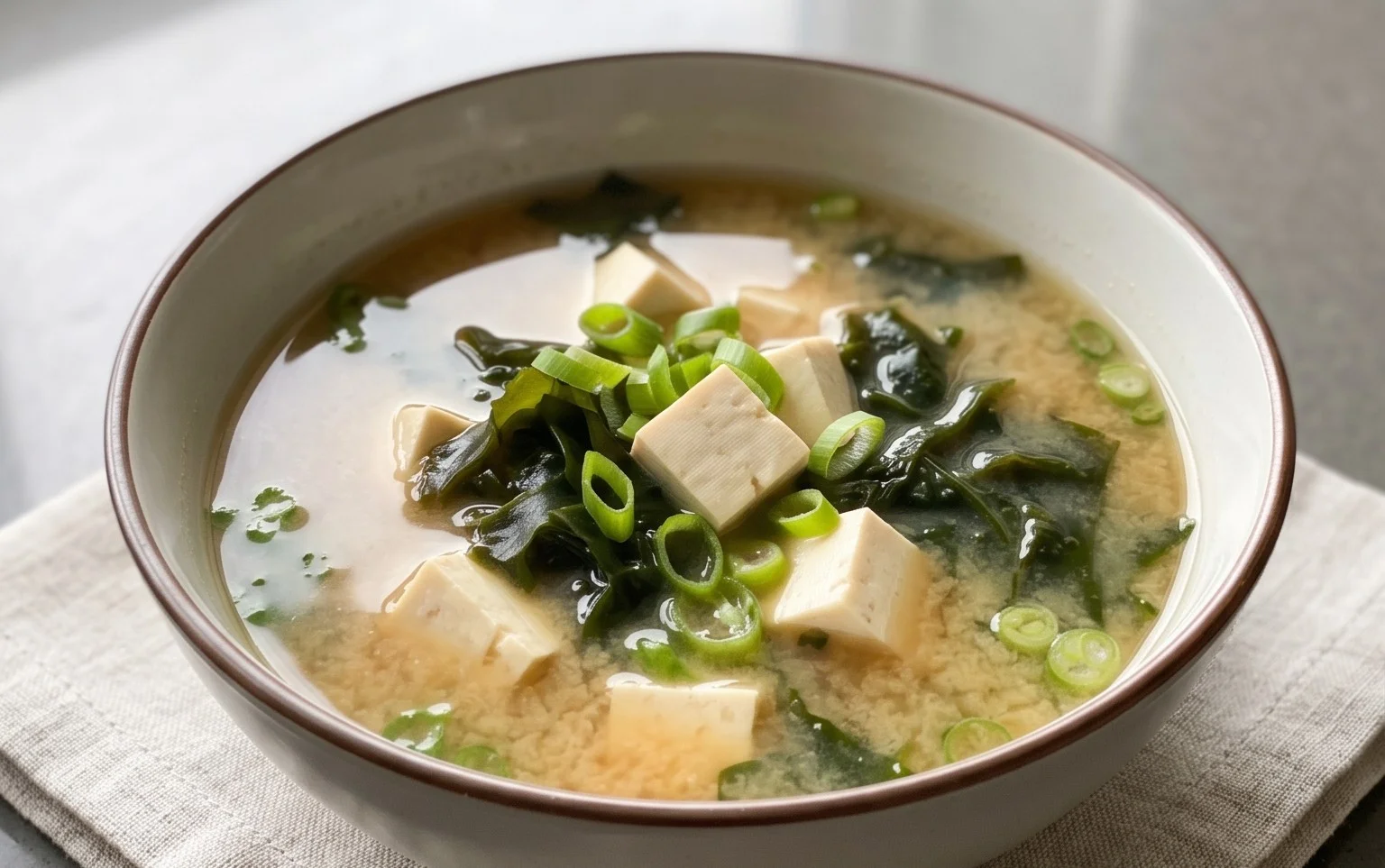
Miso Soup Recipe
Welcome to a simple yet profoundly comforting bowl of Miso Soup! This classic Japanese staple is more than just a soup; it’s a warm hug, a flavor explosion, and incredibly good for you. The beauty of miso soup lies in its versatility and ease of preparation. You can whip up a satisfying bowl in minutes, making it perfect for a quick breakfast, a light lunch, or a delightful appetizer to any meal. Today, we’re diving into a fundamental recipe that highlights the rich, savory umami of miso, balanced with the delicate flavors of dashi and soft tofu.
The magic of miso soup starts with its key ingredient: miso paste. This fermented soybean paste is a powerhouse of flavor and probiotics. There are many varieties of miso, from the mild and slightly sweet white miso (shiro miso) to the robust and salty red miso (aka miso), and the versatile yellow miso (awase miso). For this recipe, I recommend using your favorite, or a blend, to achieve a taste that truly sings to you. Remember, the amount of miso paste is adjustable – start with the recommended amount and add more if you prefer a stronger flavor.
Ingredients:
Now, let’s get to the simple yet rewarding process of bringin extractg these ingredients together.
Preparing the Dashi
The foundation of any good miso soup is dashi, a Japanese broth that provides a delicate, savory base. While you can make dashi from scratch using kombu (kelp) and katsuobushi (bonito flakes), for the non-alcoholic sake of speed and simplicity, I often use instant dashi granules or pre-made liquid dashi. Whichever method you choose, ensure you have a good quality dashi as it will significantly impact the final flavor of your soup. If you’re using granules, dissolve them in hot water according to package directions. If you have the time and are feeling adventurous, I highly recommend looking up a recipe for homemade dashi; the depth of flavor is unparalleled. For this recipe, we’ll assume you have your 2½ cups of dashi ready.
Rehydrating the Seaweed
The dried seaweed, often wakame, will transform from brittle strands into tender, flavorful morsels. It’s a small step, but crucial for that authentic miso soup texture. Simply place the dried seaweed in a small bowl and cover it with cool water. Let it soak for about 5-10 minutes. You’ll notice it plump up considerably and its color will deepen to a vibrant green. Once rehydrated, gently squeeze out any excess water. This process not only softens the seaweed but also rinses away any potential grit.
Warming the Dashi and Adding Tofu
Pour your prepared dashi into a medium saucepan. Place the saucepan over medium heat. We want to bring the dashi to a gentle simmer, not a rolling boil, as boiling can diminish the delicate flavors and aromas. Once the dashi is warm and just begin extractning to show tiny bubbles around the edges, carefully add the small pieces of silken tofu. Silken tofu is wonderfully delicate and will absorb the flavors of the broth beautifully. Be gentle when adding it to the pot to avoid breaking up the pieces too much. Allow the tofu to heat through in the dashi for a couple of minutes.
Dissolving the Miso Paste
This is perhaps the most important step to get right for the perfect miso soup. Never boil your miso paste! Boiling miso can destroy its beneficial probiotics and alter its nuanced flavor. To incorporate the miso paste, I like to use a small ladle or a whisk. Take a ladleful of the warm dashi from the saucepan and place it into a small bowl. Add your miso paste to this bowl. Using the ladle or a whisk, gently stir the miso paste into the warm dashi until it is completely dissolved and smooth, with no lumps. This creates a miso slurry, which will allow you to distribute the miso evenly throughout the soup without clumping.
Combining and Finishing the Soup
Once the miso paste is fully dissolved into the dashi slurry, carefully pour this mixture back into the main saucepan with the warmed dashi and tofu. Stir gently to combine. Now, add the rehydrated seaweed to the soup. Continue to heat the soup gently over low heat for another minute or two, just until everything is heated through. Again, avoid letting the soup boil. You should see steam rising, and the aroma of the miso will start to fill your kitchen. This is the point where you can taste the soup and adjust the seasoning. If you prefer a more intense miso flavor, add another half tablespoon of miso paste, dissolved in a little warm dashi, and stir it in.
Serving Your Miso Soup
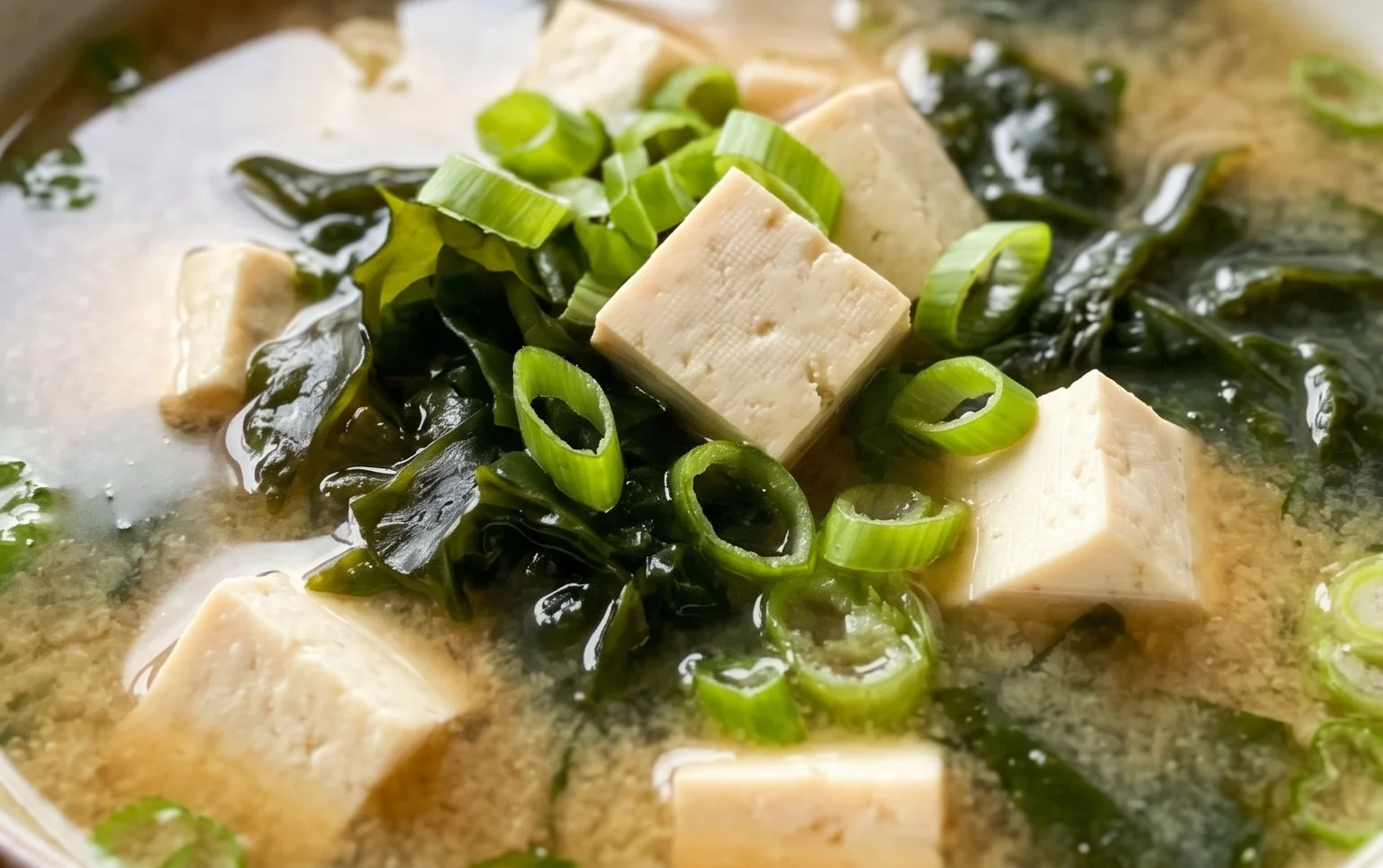
Ladle the piping hot miso soup into your favorite bowls. Garnish each bowl with the chopped scallions. The fresh, sharp bite of the scallions provides a lovely contrast to the savory depth of the miso. Serve immediately and enjoy the comforting warmth and deliciousness. This recipe is a fantastic starting point, and as you become more comfortable, you can experiment with adding other ingredients like mushrooms, spinach, or even a touch of grated gin extractger. Enjoy this simple yet profoundly satisfying taste of Japan!
Conclusion:
And there you have it – a simple yet profoundly satisfying bowl of authentic miso soup! This recipe truly shines because it’s not just about the taste; it’s about the warmth, comfort, and the beautiful simplicity of wholesome ingredients coming together. It’s incredibly quick to prepare, making it perfect for a busy weeknight or as an elegant starter for a more elaborate meal. The savory depth of the miso paste, combined with the umami-rich dashi, creates a foundation that is both nourishing and incredibly flavorful.
I encourage you all to give this miso soup recipe a try! It’s a delightful way to experience a staple of Japanese cuisine right in your own kitchen. Don’t be afraid to experiment with the toppings! Silken tofu, green onions, and wakame seaweed are classic, but consider adding mushrooms, a swirl of sesame oil, or even a touch of chili flakes for a spicy kick. This versatile soup is wonderful served as is, or alongside grilled fish, sushi, or steamed rice.
Frequently Asked Questions:
What kind of miso paste should I use?
There are several types of miso paste, including white (shiro), yellow (shinshu), and red (aka). White miso is the mildest and sweetest, making it a great choice for begin extractners. Yellow miso offers a balanced flavor, while red miso is the most robust and intensely savory. You can use any, or even a blend, depending on your preference!
Can I make miso soup ahead of time?
Miso soup is best enjoyed fresh, as the miso flavor can diminish and the texture can change if reheated multiple times. However, you can prepare the dashi broth in advance and store it in the refrigerator for a day or two. Then, simply reheat the broth and stir in the miso paste just before serving.
What are some other popular additions to miso soup?
Beyond the classics, many people enjoy adding small cubes of cooked daikon radish, thinly sliced carrots, snap peas, or even a protein like cooked chicken or shrimp. Some even like to top it with a sprinkle of toasted sesame seeds or a drizzle of chili oil for added complexity and heat.
Miso Soup Recipe
A classic and comforting Japanese miso soup, perfect for a quick and flavorful meal.
Ingredients
-
2½ cups Dashi
-
1 heaping tablespoon dried seaweed
-
4 oz silken tofu (cut into small pieces)
-
2-2½ tablespoons white miso paste (or to taste)
-
1 tablespoon scallion (chopped)
-
½ teaspoon dried bonito flakes (optional, for umami)
Instructions
-
Step 1
Rehydrate the dried seaweed in a small bowl of water for about 5 minutes, then drain. -
Step 2
In a medium pot, bring the Dashi to a simmer over medium heat. -
Step 3
Add the rehydrated seaweed and silken tofu to the simmering Dashi. Cook for 1-2 minutes until heated through. -
Step 4
In a separate small bowl, whisk the miso paste with a ladleful of the hot Dashi until smooth. This prevents clumps. -
Step 5
Stir the dissolved miso paste back into the pot. Heat gently, but do not boil, as boiling can diminish the flavor and beneficial properties of the miso. -
Step 6
Ladle the miso soup into bowls. Garnish with chopped scallions and optional dried bonito flakes.
Important Information
Nutrition Facts (Per Serving)
It is important to consider this information as approximate and not to use it as definitive health advice.
Allergy Information
Please check ingredients for potential allergens and consult a health professional if in doubt.