Easy Dairy-Free Pesto – Delicious & Nut-Free
Dairy Free Pesto is about to revolutionize your weeknight dinners and elevate your appetizer game! Forget everything you thought you knew about this Italian classic. For years, I’ve adored the vibrant green hue and the intensely fresh flavor of traditional pesto, but the dairy component – the Parmesan cheese – has always been a hurdle for me and so many others. That’s where this incredible dairy free pesto recipe shines. It captures all the herbaceous brightness, the garlicky punch, and the nutty richness you crave, all without a single trace of dairy. Whether you’re lactose intolerant, vegan, or simply looking to explore new culinary horizons, this dairy free pesto proves that you absolutely don’t need cheese to achieve pesto perfection. Get ready to slather it on pasta, spread it on toast, or swirl it into dips – your taste buds will thank you!
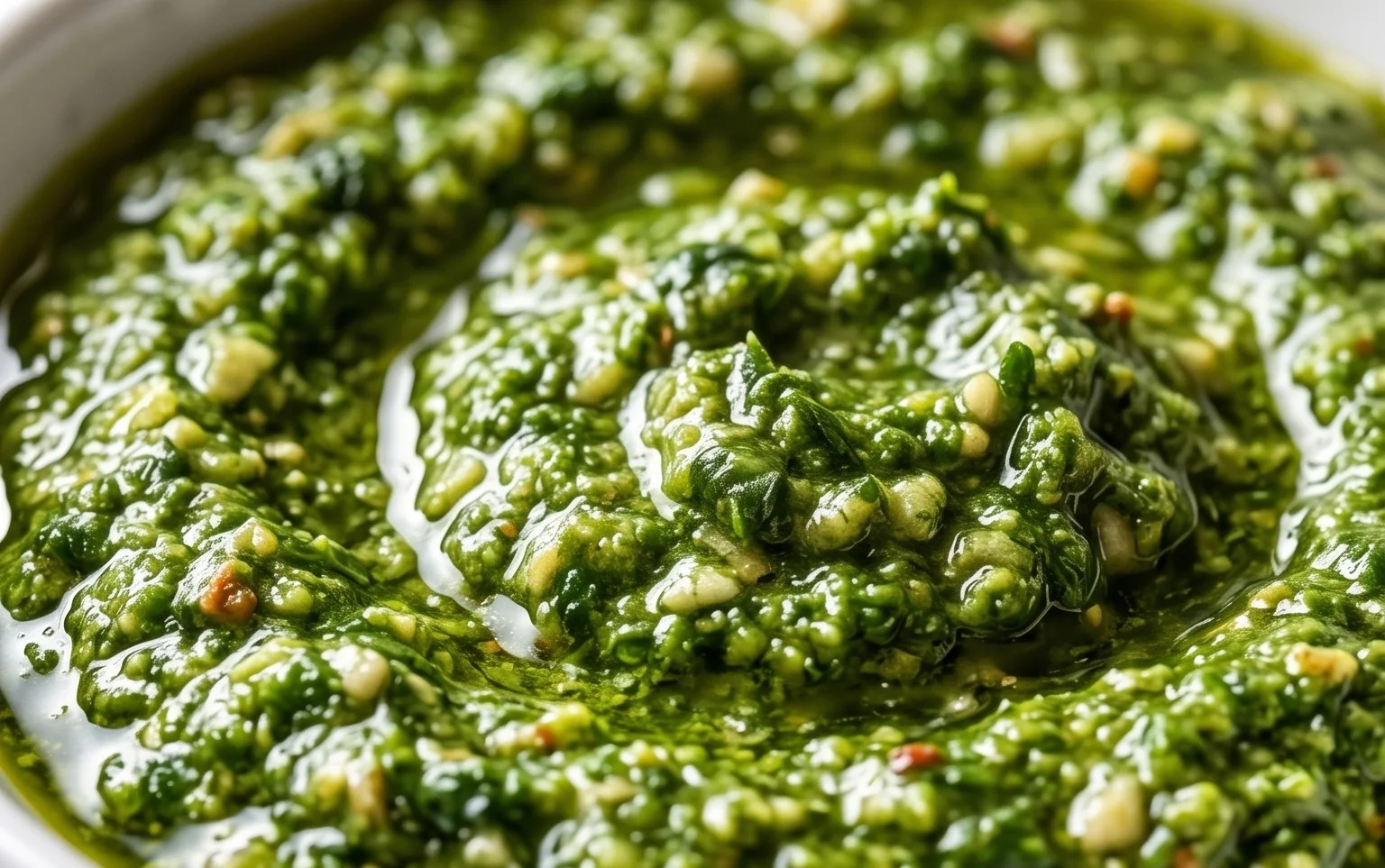
Dairy Free Pesto
Welcome to your new favorite dairy-free pesto recipe! Pesto is such a versatile sauce, perfect for tossing with pasta, spreading on sandwiches, or even dolloping onto roasted vegetables. Traditional pesto relies on Parmesan cheese for its salty, umami kick and creamy texture. But what if you’re dairy-free, vegan, or simply looking for a lighter option? Fear not! This recipe delivers all the vibrant, herbaceous flavor you expect from pesto, without a drop of dairy. The secret? Nutritional yeast, which brings a cheesy, savory note that beautifully complements the fresh basil and pine nuts. Get ready to elevate your meals with this simple yet incredibly satisfying dairy-free delight. It’s incredibly quick to make, meaning you can whip it up in minutes for a weeknight pasta dish or a special weekend brunch.
Ingredients:
Making Your Dairy-Free Pesto
Gathering your ingredients is the first step to pesto perfection. Ensure your basil is fresh and vibrant – the fresher the basil, the brighter and more intense your pesto flavor will be. You can wash and thoroughly dry the basil leaves before measuring them. For the nuts, pine nuts offer a classic, delicate flavor. However, feel free to experiment! Walnuts provide a richer, earthier taste, while pumpkin seeds (pepitas) offer a slightly sweeter, nuttier profile and are a great option for those with nut allergies. Just make sure they are raw and unsalted for the best flavor. Peeling the garlic is essential to avoid any harsh, raw garlic bite; two cloves should give you a good garlicky punch without being overwhelming. The extra virgin extract olive oil is the binder that brings everything together into a luscious sauce. Start with the ¼ cup, and have a little extra on hand in case you prefer a looser consistency. Salt is crucial for enhancing all the other flavors. Finally, nutritional yeast is your dairy-free cheese impersonator. It’s a deactivated yeast that has a savory, cheesy, umami flavor. If you don’t have it, don’t worry, your pesto will still be delicious, just less “cheesy.”
Step 1: Toasting the Nuts (Optional but Recommended)
While you can absolutely use the nuts as they are, toasting them first adds a wonderful depth of flavor and a satisfying crunch. To do this, heat a dry skillet over medium-low heat. Add your pine nuts (or chosen nuts/seeds) and toast them for 3-5 minutes, stirring frequently. You’ll know they’re ready when they become fragrant and just starting to turn a light golden brown. Be careful, as they can burn quickly! Once toasted, immediately remove them from the hot pan and set them aside to cool completely. This step is truly worth the extra few minutes.
Step 2: Preparing the Basil and Garlic
Start by adding the fresh basil leaves to the bowl of your food processor. If your basil leaves are very large, you can roughly chop them first to help them process more easily. Next, add the peeled garlic cloves to the food processor. A good food processor or a high-powered blender will make this process incredibly smooth, but a sturdy mortar and pestle can also be used for a more traditional, rustic pesto, though it will require more elbow grease!
Step 3: Adding the Nuts and Zest
Once the basil and garlic are in the food processor, add your cooled, toasted pine nuts (or other nuts/seeds). Also, squeeze in the juice from half a lemon. The lemon juice not only adds a bright, zesty tang but also helps to prevent the basil from oxidizing and turning brown, keeping your pesto a vibrant green.
Step 4: Processing and Emulsifying the Pesto
Now, it’s time to bring it all together. Pulse the ingredients in the food processor several times until they are coarsely chopped. Then, with the food processor running on low speed, slowly drizzle in the olive oil through the feed tube. Continue processing until the pesto reaches your desired consistency. Some people prefer a chunkier pesto, while others like it super smooth. You can stop processing at any point that looks good to you. If the pesto seems too thick, you can add another tablespoon or two of olive oil, processing for a few more seconds to incorporate.
Step 5: Seasoning and Finishing
Once you have the desired texture, add the salt and the nutritional yeast (if using) to the food processor. Pulse a few more times to combine everything evenly. Taste your pesto and adjust the seasoning as needed. You might want a little more salt, or perhaps a bit more lemon juice for extra brightness. If you find it a bit too intense, you can always add another splash of olive oil. Give it one final pulse to ensure everything is well incorporated. Your beautiful, vibrant dairy-free pesto is now ready to be enjoyed!
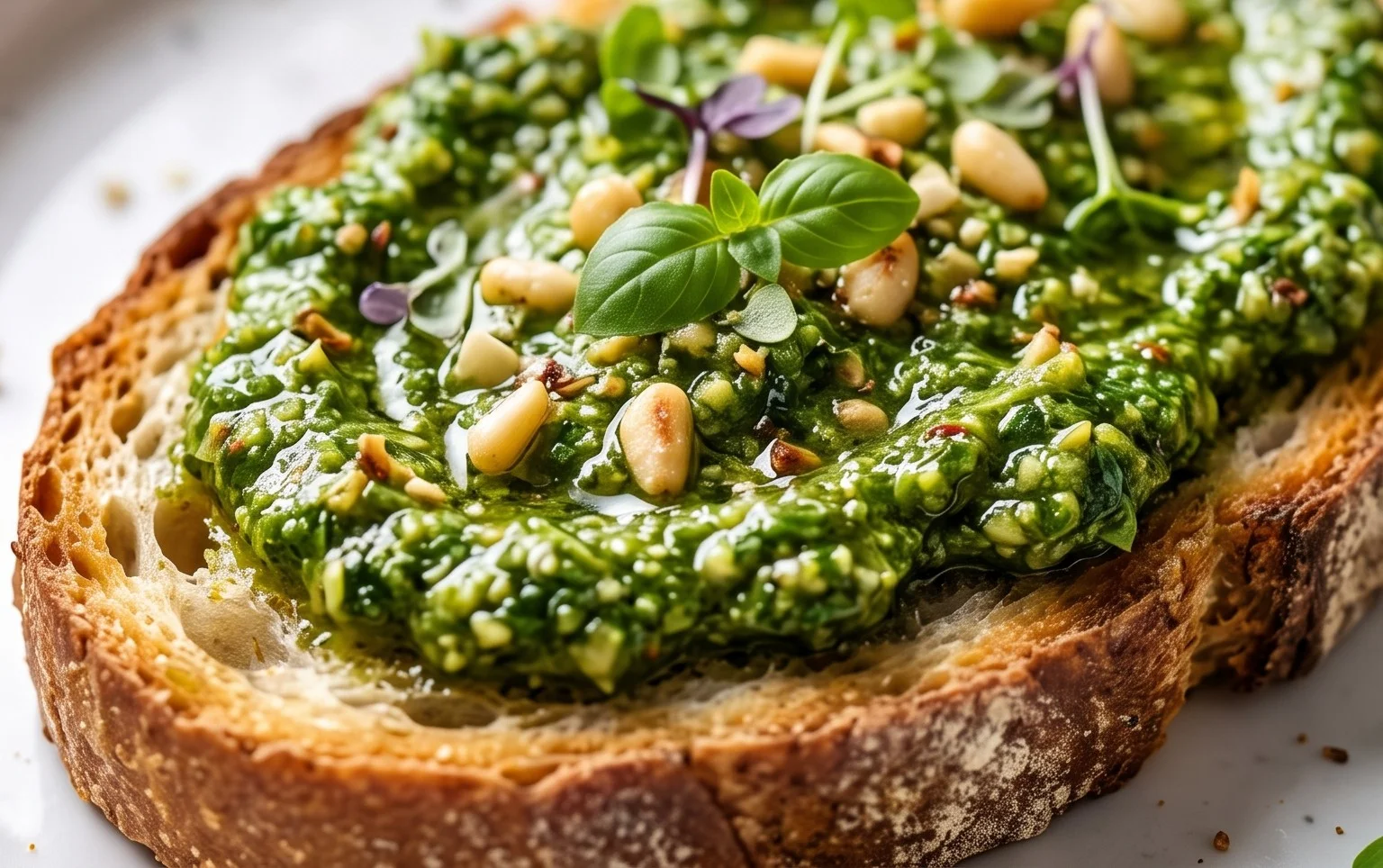
This dairy-free pesto is incredibly versatile. Toss it with your favorite pasta, spread it on crusty bread for an appetizer, use it as a marinade for chicken or fish, or mix it into a salad dressing. Store any leftovers in an airtight container in the refrigerator for up to 5 days, or freeze it in an ice cube tray for smaller, single-serving portions. Enjoy this fresh, flavorful sauce!
Conclusion:
I hope you’re as excited as I am about this dairy free pesto recipe! It’s a fantastic way to enjoy the vibrant, fresh flavors of traditional pesto without any dairy. This recipe is wonderfully versatile, quick to whip up, and perfect for anyone with lactose intolerance or a plant-based lifestyle. The combination of fresh basil, garlic, pine nuts, and olive oil creates a truly irresistible sauce that elevates any dish. Whether you’re a seasoned cook or just starting in the kitchen, you’ll find this dairy free pesto incredibly rewarding and delicious.
Think of all the ways you can use this delightful condiment! Toss it with your favorite pasta for a quick and satisfying meal, spread it on crusty bread for an appetizer, or dollop it onto grilled vegetables, chicken, or fish. For variations, don’t be afraid to experiment! Swap pine nuts for walnuts or almonds, add a pinch of red pepper flakes for a spicy kick, or even incorporate a squeeze of lemon juice for extra brightness. I truly encourage you to give this recipe a try; I know you’ll love its incredible taste and adaptability.
Frequently Asked Questions about Dairy Free Pesto:
Q: How long can I store this dairy free pesto?
A: This delicious dairy free pesto can be stored in an airtight container in the refrigerator for up to 5 days. For longer storage, you can freeze it in ice cube trays for portion-controlled servings, or in a freezer-safe container for up to 3 months. Covering the surface with a thin layer of olive oil before refrigerating can help prevent browning and extend its freshness.
Q: Can I substitute the basil with other herbs?
A: Absolutely! While basil is classic, feel free to experiment with other herbs. Spinach is a great base for a milder flavor, or you can combine basil with parsley, cilantro, or even arugula for different taste profiles. Just ensure you use fresh herbs for the best results.
Dairy Free Pesto
A vibrant and flavorful dairy-free pesto sauce, perfect for pasta, sandwiches, or as a dip. Made with fresh basil, pine nuts, garlic, lemon, and olive oil, with optional nutritional yeast for a cheesy flavor.
Ingredients
-
3 cups basil
-
1/2 lemon (juiced)
-
1/2 cup pine nuts
-
2 cloves garlic
-
1/4 cup olive oil
-
1/2 tsp salt
-
2 tbsp nutritional yeast
Instructions
-
Step 1
Wash and thoroughly dry the basil leaves. -
Step 2
In a food processor, combine the basil, pine nuts, garlic, and nutritional yeast (if using). -
Step 3
Pulse until the ingredients are roughly chopped. -
Step 4
Slowly drizzle in the olive oil while the food processor is running until the pesto reaches your desired consistency. -
Step 5
Add the lemon juice and salt, and pulse a few more times to combine. -
Step 6
Taste and adjust seasoning as needed.
Important Information
Nutrition Facts (Per Serving)
It is important to consider this information as approximate and not to use it as definitive health advice.
Allergy Information
Please check ingredients for potential allergens and consult a health professional if in doubt.